Research
From Materials to Devices
01. Raw Material & Material Synthesis
The foundation of our research lies in the precision synthesis of fundamental building blocks. We specialize in the development and characterization of diverse material classes.
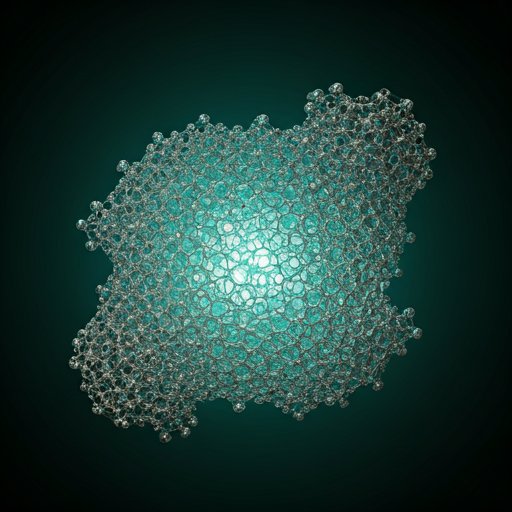

02. Functional Materials & Surfaces
We engineer surface properties to achieve specific technical benchmarks, focusing on interfacial dynamics and structural modification at the micro and nano scale.
- check_circle Micro-/Nano-structures & Interfacial control
- check_circle Low friction & wear resistance
- check_circle Superhydrophilic / Superhydrophobic surfaces
- check_circle High surface charge density & sensitivity
03. Device Development
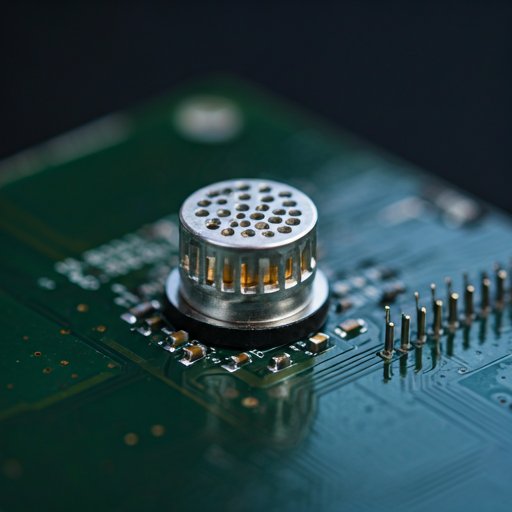
Final application stage where engineered surfaces and materials are integrated into robust, functional devices designed for next-generation sensing and energy solutions.
Energy Harvesters
Converting ambient energy into electrical power via nanostructured interfaces.
Functional Sensors
High-selectivity detection for chemical and physical stimuli.
Research Themes
Our research area broadly falls into the following themes:
Functional materials and surfaces
Micro/nano-materials and composite designs
Material-based device development and its applications
On-going Research
Metal-organic framework (MOF) based self-powered chemical sensors
- •Understanding the properties of MOFs under various atmospheric environments
- •Development of MOF-based chemical sensors that do not require external power
Hybrid Composites and nano-weaving using MOFs
Exploration of the mechanical properties of MOFs and their potential applications in the mechanical field
Theoretical analysis of TENGs
Understanding, modeling, and verifying the theories behind the TENG mechanism
Mechanical analysis of 3D printing composite materials
- •Understanding the surface properties of various 3D printing composite materials
- •Development and fabrication of devices through 3D printing
Water harvesting from humidity — MOF-based water harvesting
Metal-organic framework (MOF) based batteries
Wearable sensors and actuators
Various Energy Harvesting Devices
TENG, Flexoelectric, Hydrovoltaic, etc.